

Blog

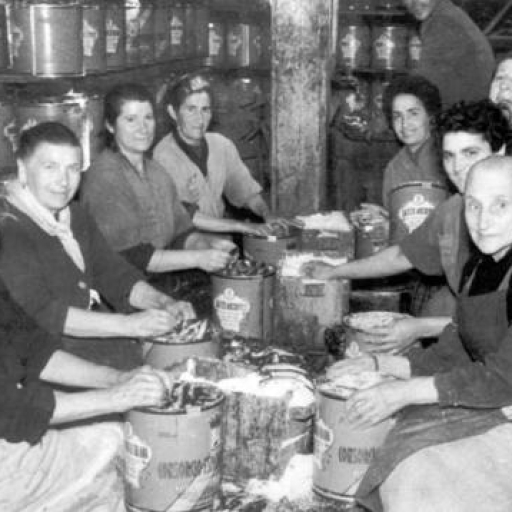
In Santoña, anchovies are a symbol of identity, history, and excellence that has given this Cantabrian port international fame.
The anchovy tradition in Santoña dates back centuries, although its greatest boost came in the late 19th century , when Sicilian families introduced salting techniques and, later, the filleting and oil-packing techniques that today distinguish the world's finest anchovies. The combination of local artisanal know-how and Mediterranean touches made Santoña the undisputed anchovy capital, transforming the town's economy, landscape, and pace of life.
The process is meticulous and demanding ; it begins with the spring harvest of anchovies ( Engraulis encrasicolus ), when they reach the perfect level of fattiness and flavor. Local fishermen employ sustainable techniques—many of which are family-run—to ensure the highest quality. Upon arrival, the anchovies are beheaded and gutted by hand, then placed in barrels alternating layers of fish and sea salt, where they rest for several months to enhance their aromas and texture. Curing typically lasts at least six months, but the best anchovies mature for up to a full year.
Next comes the work of the "sobadoras," expert women who clean, peel, and fillet each anchovy manually, removing bones and skin without applying heat—a delicate and essential task for achieving the clean, firm fillets for which Santoña is famous. The final step is "packaging": the selected fillets are carefully placed in cans or jars and covered with high-quality olive oil, which enhances their flavor and prolongs their shelf life. A curious aspect is the presence of a small piece of paper with a number inside the anchovy cans. This paper identifies the person responsible for packaging. The entire process is artisanal and can take up to a year from fishing to final tasting.
What makes Santoña anchovies unique? The combination of several factors: the freshness and quality of the Cantabrian anchovy, the art of traditional salting, the long curing time, and meticulous hand-filleting. The result is anchovies with a silky texture, intense flavor, a perfect balance of salt and umami, and an unparalleled visual clarity. It's no surprise to find entire families dedicated to this art for generations.
The Santoña anchovy is so valuable that it has its own annual fair, the Cantabria Anchovy and Preserve Fair , held every year at the beginning of May, from the 1st to the 4th in 2025. The event brings together canneries, artisans and visitors around tastings, talks and demonstrations, bringing the trade and its secrets closer to curious people and enthusiasts.
Along with Santoña, towns such as Laredo and Colindres also have a deep tradition in the preparation and curing of anchovies. Although Santoña has gained the most international recognition, its ancestral canning techniques have spread throughout the eastern coast of Cantabria. These towns, with historic fishing ports and canning families, continue to apply techniques that reflect the knowledge of the sea and perpetuate the quality of the Cantabrian anchovy.
If you ever try an anchovy from Santoña, Laredo, or Colindres, think about the entire process, the dedication, and the control that goes into each fillet. They are much more than food: they are the history and living treasure of Cantabria.
Photograph from the book Anchovy Sobadoras
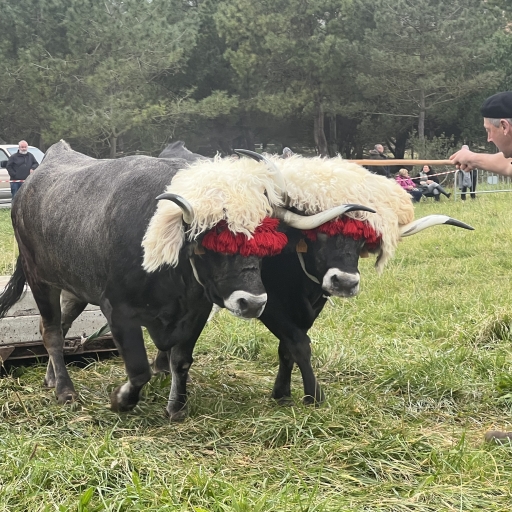
Ox pulling in Cantabria is much more than a competition: it's an ancient celebration that connects brute strength with respect for the animal, livestock expertise with pride of belonging, and the land with the sea. Those who experience these festivities along the coast, where the Atlantic crashes against the cliffs, witness this fascinating fusion of seafaring and rural traditions, especially in the villages along the Northern Coastal Route.
These competitions began as a way to demonstrate the strength and skill of oxen, key players in the work of the Cantabrian fields and mountains. Today, the dragging represents identity and resilience: the patient relationship between farmer and animal, the skill passed down from generation to generation, and a testament to a life tied to the landscape. On the sand, the oxen drag enormous stones under the watchful eyes of families, judges, and tourists, while the community gathers around this ritual of strength and camaraderie.
The Comillas Regional Cattle Dragging Championship and Livestock Fair is the highlight of the calendar. Held in the Campa de Sobrellano area every August, this event brings together the best teams and transforms the fishing village into the epicenter of Cantabrian livestock tradition. Ranchers come from all over the region, and it's common to see entire families, from grandparents to grandchildren, participating and enjoying the festive atmosphere, the local produce market, and the spectacle of the competition.
Along the Northern Coastal Way, hikers can encounter drag parades in San Vicente de la Barquera (January, during the patron saint festivals by the sea), Castro Urdiales (February and June, in rural neighborhoods like Helguera de Samano), and Treceño (June), among others. These towns, surrounded by pastures and the Cantabrian Sea, showcase the diversity and richness of the region through the drag parade, where it's common to see young people accompanying the older ones, both competing and cheering from the stands.
An essential part of the spectacle are the cattlemen, dressed in wooden albarcas and carrying the traditional vara : a long stick, up to 150 cm long, made of rush. The stick is used to guide and communicate with the oxen with precise and calm gestures, and is reminiscent of the staff used by the pilgrims themselves on the Camino. It is a symbol of authority, experience, and continuity; an object passed from parents to children and represents the bond between generations.
At these drag fairs and competitions, you'll see at least three generations gathered around the spectacle. Grandparents and parents teach the little ones the art of the pole and the secrets of drag, while children cheer on the dance floor and learn the value of tradition. The audience is also multigenerational: some remember their own experiences in the competition, and others have just discovered the show for the first time, feeling part of Cantabria's living history.
The drag race represents strength, respect, memory, and shared celebration. For hikers who walk the Camino del Norte, these events are an opportunity to contemplate the rural and marine beauty of Cantabria and pay tribute to the patience, hard work, and community that make it possible.
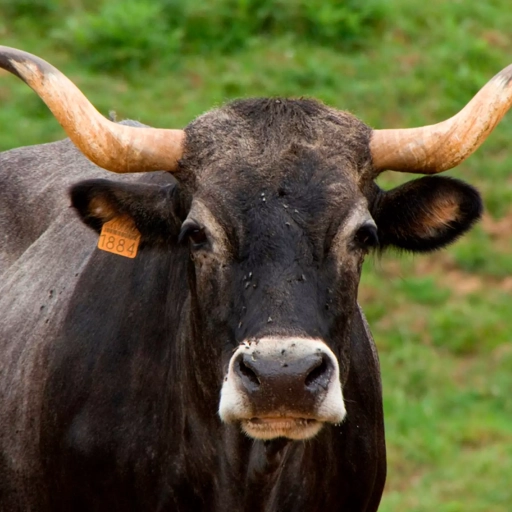
Cantabria is a land of cows, and anyone traveling along its coast along the Camino del Norte or exploring its inland valleys will soon realize how they define and enrich local life. Several breeds coexist here, each with its own history and character.
The Tudanca , native and emblematic, stands out for its resilience and adaptation to mountainous terrain. Medium-sized with a dark brown coat, it is easily recognized by its upturned horns and agile gait on steep slopes. Today, it is especially valued for the quality and flavor of its meat, which is featured in traditional dishes and a source of pride at fairs and gastronomic events in the region. The Tudanca represents rural identity, and its history intersects with literature and village life, making it a staple of livestock fairs and festivals.
The Friesian cow is the most common breed on Cantabria's many dairy farms. Originally from the Netherlands, it arrived a few decades ago and became popular due to its high milk production, becoming a mainstay in the cheese industry and in the production of cream and butter. It is easily distinguished by its black and white color and larger size than the Tudanca. The Friesian has brought modernization and volume to the rural economy, but the quality and flavor of products from native breeds are still highly valued by connoisseurs.
The Pasiega cow , endangered, represents a very special tradition, especially in the Pasiego Valleys. Its milk is especially prized for making artisanal butter and traditional sweets such as quesada and sobao pasiego. It is a robust-looking cow, light tan or reddish in color, and generally has a calm disposition. Its presence is increasingly rare, although there are programs to revive and promote its products to maintain it as a living part of the local culture.
The livestock tradition in Cantabria is deeply linked to dairy products, which are a part of everyday life and a culinary attraction. Visitors will find cheese factories that produce cheeses with Designation of Origin , such as the blue-paste Picón Bejes-Tresviso , with an intense flavor, and the milder and more aromatic Quesuco de Liébana . The selection is completed with the creamy and delicate Queso de Nata de Cantabria , and other artisanal mountain cheeses. Furthermore, Cantabrian milk is transformed into fresh butter, thick cream, yogurt, and, of course, the most representative sweets: Quesada Pasiega and Sobaos, the latter also with Designation of Origin, true emblems of local pastries and a delight for those seeking authentic flavors.
Many ranchers still use traditional methods, and it's common to see antique utensils in rural museums, such as wooden whisks and cheese molds that speak of generations dedicated to ranching and cheesemaking.
Cow culture in Cantabria is much more than production: it involves passed-down knowledge, rural festivals, and a direct relationship between the landscape and food. The cow is part of the region's DNA, and its milk, transformed into cheeses and pastries, is a delicious opportunity to connect with the essence of Cantabria.