

The Indianos
The Indianos
The Indianos are a fundamental part of the history and cultural landscape of northern Spain, and their influence is strongly felt along the Camino del Norte.
The term "Indiano" refers to the emigrant who left for America—especially during the 19th and early 20th centuries —in search of fortune, and who after years of effort decided to return to his homeland with new resources, ideas, and customs.
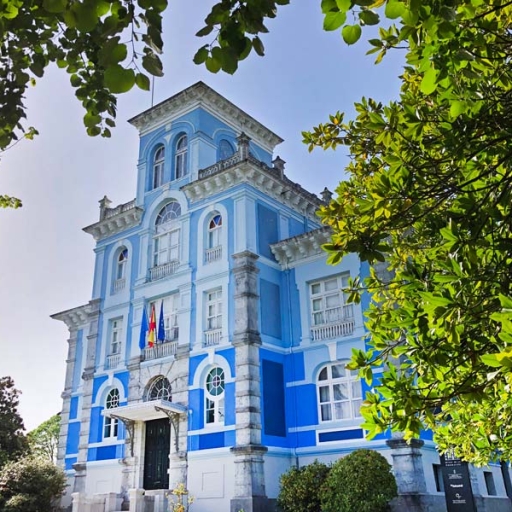
This experience significantly transformed the communities along the Northern Route: the Indianos not only brought capital, but also innovation and cosmopolitanism. Their return left a visible mark on architecture and social life : they built the famous Indiano houses, mansions and chalets in eclectic styles that blend colonial elements with local details, colorful facades, large windows, glass-enclosed galleries, and exotic gardens where palm trees became a true symbol of the voyage to the Americas.
These houses were, in many cases, a declaration of success and openness to the world, and often served as centers of social life, charity, and local modernization: the Indianos founded schools, hospitals, cultural centers, and promoted the arrival of electricity and water to their villages.
The memory of the Indianos survives not only in their architecture, but also in the traditions and customs they brought with them. These include a passion for Cuban and South American music, culinary recipes with overseas influences such as rice and coffee, more refined styles of dress, and social habits of gatherings and parties that reinterpret the cultural fusion of their return. Their legacy was so intense that today many towns celebrate "Indian Festivals" to pay tribute to those who returned, with period costumes and traditional American music, evoking a moment of splendor and shared joy.
Where can you admire this legacy while traveling the Camino del Norte?
In Cantabria, the most notable are Colombres —where the Indianos Archive is a must-see— Comillas, and Medio Cudeyo , while in Asturias , Llanes and Boal stand out, and in Galicia, Ribadeo . These towns preserve unique collections of Indiano houses, many of which have been restored and can be visited, and each year they organize festivals in honor of their Indianos.
In Colombres (Ribadedeva), the Indianos Fair is held from July 11 to 13, 2025, with parades, dramatized tours, and concerts. Ribadeo organizes its Ribadeo Indiano on the same weekend, and Comillas celebrates Indiano Day between August 30 and September 1. These are joyful and participatory celebrations, where the community is transformed, reliving the emigration and sharing with visitors the living memory of those who changed local history.
In the photograph, Casa Indiana de Colombres.
Recent posts
Anyone who walks the Northern Way sooner or later ends up at a bar.
Not out of tiredness, but out of instinct. That attraction of seeing counters laden with bread, toothpicks, colors, and smells that change with each bar and each town.
From Bilbao to San Sebastián , pintxos are part of the landscape: small, shiny, carefully placed like edible jewels.
But the beauty of all this is not the aesthetics, nor even the taste, —which is also—.
The beauty is the ritual: ordering a zurito, chatting, eating standing up, changing places. Laughing.
Pintxos are not eaten: they are shared.
Where does all this come from?
The pintxo was born humble.
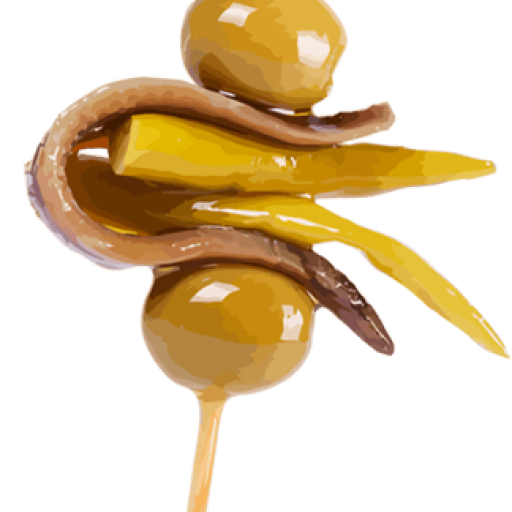
A slice of bread, an anchovy, an olive, a toothpick.
A bar invention in San Sebastián bars at the beginning of the 20th century, made to accompany wine and prolong conversation.
Wine, words, bread, and sea. That's the formula.
Then came the creativity. In the 1930s, bars like La Espiga and Casa Vallés began to play with flavor.
That's where the Gilda came from, that olive, anchovy and chili skewer that became an icon.
And here's a note for curious gourmets: the chili peppers in Gilda are actually piparras , the fine, smooth green chili peppers with the Basque Country Designation of Origin .
Whether you try them fresh or buy them at the WAYS market on the Camino, you'll understand why everyone is talking about them.
And if you accompany them with a cold glass of Txakoli , also available at the WAYS market, which is the Basque white wine par excellence, the whole thing is perfect.
The evolution of the pintxo
The Basque people have one virtue: they never stop cooking, nor do they stop improving what already works.
Thus, the pintxo became a playing field.
What began with bread and anchovy ended in creations with foie, spider crab, sirloin, mushrooms, octopus or Idiazabal cheese .
There are bars that look like laboratories and others that maintain the classic feel, but they all have the same family feel: good products, clear flavor, no nonsense.
And yes, in the Basque Country you can eat standing up better than sitting down in many restaurants around the world.
Where to taste them on the Camino del Norte
The Camino here isn't just a walk: it's a journey in stages . From Irun to Castro Urdiales , every town has its own version of perfection.
Irun
- It starts with Gilda . It's the perfect balance of sea and character.
- Txaka —crab salad on bread—is eaten in one bite and leaves you wanting another.
Hondarribia
- At the award-winning Gran Sol , try the txangurro or foie gras .
- At El Callejón , the tortilla and the gildas never fail.
- The fresh anchovies in the old town are worth the trip.
San Sebastián / Donostia
- Gilda was born in Casa Vallés and Txepetxa . Respect the origins.
- At Bar Néstor , tortillas are a religion (arrive early or you'll be left without).
- In Bergara , try the “Txalupa”: mushrooms and sea, hot and smooth.
- At Goiz Argi , the shrimp skewer does not fail.
- At La Cuchara de San Telmo or Sport , foie and cheeks with soul.
- At Borda-Berri , we cook with impudence: ear, risotto, octopus.
- In Gandarias , sirloin is eaten without a knife, with respect.
- At La Viña , the cheesecake that became famous across half the planet.
Orio
- Thick tortilla, with or without cod, but always juicy.
- Cod pintxos that melt with the local Txakoli.
Zarautz
- Anchovies , peppers and sea.
- Stuffed or baked crab : the taste of the coast, without artifice.
Getaria
- Bread, anchovy, Txakoli . A perfect trilogy.
- Txangurro in piquillo peppers, the classic that never dies.
Deba
- Smoked bonito and txistorra on bread: two extremes, same pleasure.
Ondarroa and Lekeitio
- Grilled squid or in its ink.
- Octopus , tender, straight from the sea.
Gernika
- Gernika peppers , mild and sweet, sometimes with anchovy on top.
Bilbao (Old Town)
- Cod pil-pil at Café Bar Bilbao or Gure Toki.
- Sweet cheek , mini hamburgers, txistorra in puff pastry .
- In Motrikes , mushrooms are the law.
Portugalete and Santurtzi
- Grilled sardines and bonito salad : port, charcoal and salt.
Castro Urdiales
It's Cantabria , yes, but here, flavor knows no borders. The rabas (fried calamari) and the grilled seafood are part of the same journey: one that unites coast, tradition, and fine dining.
How to live the ritual
- Order one or two pintxos per bar and keep walking.
- Accompany them with a zurito or a glass of Txakoli .
- Always ask what the pintxo of the day is—there's pride behind every dish here.
And above all, talk, laugh, and share . No one eats alone at a Basque bar.
More than cooking
The pintxo is Euskadi in miniature: honest, unadorned, but full of soul.
He doesn't boast, he doesn't compete. He offers.
Every bite is a story: of the sea, of the farm, of the family that has been behind the counter for three generations.
Basque cuisine is world-famous—Arzak, Subijana, Aduriz—but its essence isn't just in the signature menus: it's in the bars.
There, where the bread smells freshly baked and the cook looks you in the eye while serving you.
The secret is simple: real ingredients, respect and joy.
And that, my friend, can't be taught. It's inherited.
Bertsolaris, Dantzaris, Tamborradas… and much more
Traveling the Camino del Norte is like entering a dreamy landscape.
Between the sea and the mountains, every town in the Basque Country breathes rhythm, song, and community.
Here music is not a spectacle: it is memory, resistance and pride .
Sing together, play together, dance together.
Basque music is a language of its own, made of wood, stone and voices.
For centuries, when Basque was persecuted, song and dance kept the language alive .
Today they remain a way of saying: we are still here .
It is no coincidence that the Basques humorously say: “Three Basques, one choir.”
Bertsolaritza: sung poetry and improvised soul
Bertsolaris are poets who improvise verses sung in Basque.
In front of an audience, and based on a theme or challenge, they immediately compose their verses: wit, emotion and rhythm.
There's no script or trickery, just talent and connection with people.
The origins of bertsolaritza date back to the countryside, when stories were told through singing at fairs or taverns.
During the dictatorship, it was a refuge and cultural resistance.
Today, it is a symbol of identity and living art: championships fill squares and theaters, and the bars of Gipuzkoa continue to be its natural setting.
Where to experience it:
Donostia, Zarautz, Getaria, Hondarribia—during summer festivals or local championships.
Every four years, the National Bertsolaris Championship is held, a true tribute to the Basque language.
Dantzaris: the body that speaks in rhythm
Basque dances are not decoration, they are ceremony.
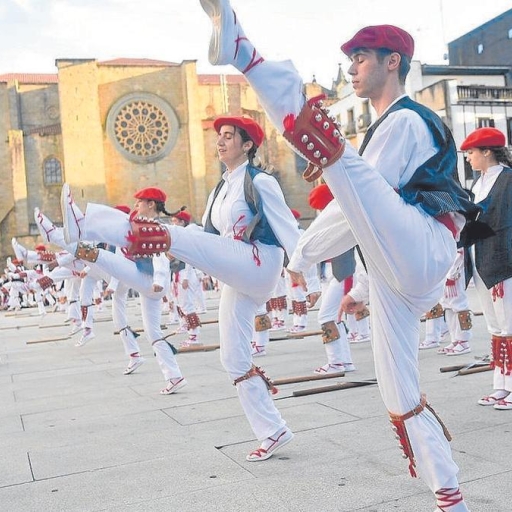
The dantzaris keep alive choreographies that have been danced for centuries: the Aurresku , the Dantzari Dantza , the sword dances.
Every step, every jump, has its story.
The sound of the txistu (flute) and the drum guide the movements; white costumes, red sashes, and colored ribbons complete the scene.
Once rituals of fertility or protection, today they are a form of unity and local pride.
Where to experience it:
During the patron saint festivals of almost all the towns in the Basque Country: Bilbao , Durango , Abadiño , Zarautz or during the Aste Nagusia (Big Week) in Donostia, in August.
In the squares, amidst cider, music, and applause, the tradition continues to dance.
Tamborrada: the roar of a united people
On January 20 , Donostia is transformed.
At midnight, the beating of drums marks the beginning of 24 hours of noise, rhythm, and collective joy.
The Tamborrada is the most intense festival in the Basque Country: more than 15,000 San Sebastian residents , dressed as cooks and soldiers, march through the streets playing the San Sebastian Anthem in unison.
What began as a mockery of Napoleon's armies became a celebration of identity and resilience .
On that day, no one is a spectator: everyone is part of the same drum.
Where to experience it:
- Donostia / San Sebastián , January 20.
Constitution Square is the heart of the festival, where the flag is raised and everything begins. - In summer, smaller versions resonate in Bilbao , Zarautz , Hondarribia and Getaria .
Many sounds, one song
The Basque Country has one of the richest musical traditions in Europe.
Singing and playing is a way of being in community:
- Ochotes (male choirs in Bilbao)
- Trikitixa (diatonic accordion that livens up every pilgrimage)
- Txalaparta (wooden instrument played by two people)
- Txistu and Alboka , flutes that have been playing for centuries
The nights of Santa Águeda are pure folklore: the neighbors sing door to door, wearing costumes and carrying lanterns.
At Christmas, children follow Olentzero singing old songs.
And in bars, choirs emerge from nowhere, without a stage, without microphones.
Here music is not consumed: it is shared.
From traditional to contemporary
The Basque musical tradition did not stop in the past.
Artists such as Mikel Laboa , Benito Lertxundi and Oskorri mixed poetry, folk and protest, creating a sound that remains profoundly Basque.
Festivals such as Heineken Jazzaldia (Donostia) or BBK Live (Bilbao) demonstrate that Basque music evolves without losing its roots.
The trikitixa , the txalaparta and the voices of the choirs coexist with electric guitars and synthesizers.
It's all part of the same sonic DNA: emotion, collectivity, truth.
Where and when to experience Basque music on the Camino del Norte
| Tradition | When | Where |
|---|---|---|
| Bertsolaritza | Summer and local festivals | Donostia, Zarautz, Getaria, Hondarribia |
| Dancers | Patron saint festivities (June–October) | Bilbao, Durango, Abadiño, Donostia |
| Drumming | January 20 | Donostia / San Sebastián |
| Songs and choirs | All year | Bars, squares, festivals, Christmas |
| Modern festivals | July–August | Heineken Jazz Festival, BBK Live |
One soul
Bertsolaris, dantzaris, tamborreros... three different ways of saying the same thing:
Music is the heart of the Basque Country. It is resistance and celebration, memory and the present. And if you walk the Northern Way , you won't just see it: it will captivate you . Because here, between sea and mountains, the rhythm doesn't come from a stage, but from something deeper: the people, their language, their land.
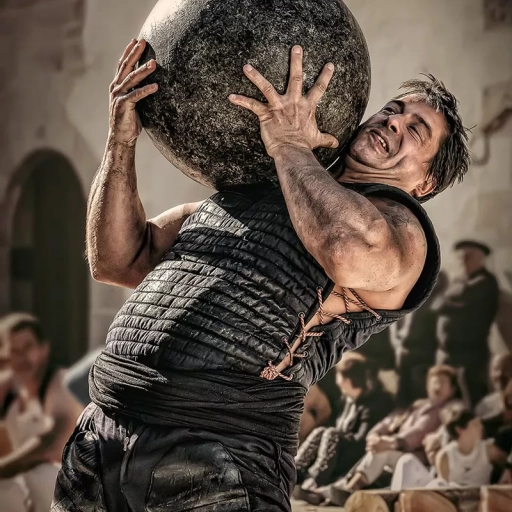
When you walk the Northern Way along the Basque coast, there's one tradition that never goes unnoticed. It's pure life, pure folklore in motion: Herri Kirolak , the "people's sports." Competitions of strength, skill, and community pride are a living reflection of the Basque countryside, its people, and our unique way of understanding work and life.
Origin and history
The Herri Kirolak were born from real work, from everyday life in the farms and at sea: chopping wood, lifting stones, mowing grass, pulling loads, pulling ropes. At the end of the work or during village festivals, what was once labor became a challenge: who cuts the fastest? Who lifts the most weight? Who can endure the longest? Thus, amid laughter, sweat, and txakoli, local heroes were born, along with a tradition that still beats strong today.
By the late 19th and early 20th centuries, these challenges were already a fixture of fairs and pilgrimages. Industrialization didn't erase them; on the contrary, it turned them into symbols of identity and resilience. Today, the Herri Kirolak are still present, with championships, festivals, and exhibitions that connect new generations with the irrepressible spirit of the Basque Country .
The main disciplines
- Aizkolaritza (log cutting): The aizkolaris use axe in hand to cut through enormous logs with force and precision.
- Stone lifting: true titans lift blocks weighing more than 200 kilos in the shape of a cube, sphere, or cylinder.
- Txinga eramatea (weight carrying): walk as far as possible carrying a weight in each hand.
- Lasto altxatzea (lifting bales): repeatedly lifting bales of straw with a pulley to the sky.
- Tug-of-war: a team sport with ancient roots; it remains a staple at almost every festival.
- Idi probak (oxen trials): the animals drag large stones, demonstrating strength, understanding and patience.
And although it's sometimes forgotten, Basque pelota and rowing regattas are also part of this sporting landscape of sea and mountains. They all share the same values: effort, tenacity, collective pride, and respect for the land.
The best villages on the Northern Way to see Herri Kirolak
These villages aren't chosen at random. They're the ones that keep tradition alive, where the times are etched in the festival calendar and the sound of the axe or the rope is part of summer. Here's your direct and verified guide on where and when to experience them properly:
Donostia / San Sebastián
The beating heart of the Herri Kirolak. During Semana Grande (Big Week) (mid-August), the squares and beaches become a brutal stage: log-cutting, stone-lifting, bales in the air, and rope-pulling that thrill the audience.
It's not limited to summer: there are professional exhibitions and open competitions throughout the year.
Getaria
Here, the Herri Kirolak are sacred. During the San Salvador Festival (the first week of August), the town square and the port fill with aizkolaris (bullfighters), harrijasotzailes (bullfighters), and oxen at work. Also on San Pedro (June 29) and San Antón (January 17), the town once again beats to the rhythm of exertion.
Zarautz
Sand, sea, and strength. In summer and during the patron saint festivals (June to August), the beaches and central square are filled with open-air exhibitions. Zarautz is a pure coastal spectacle: sport, tradition, and a crowd that cheers like it's the Champions League final.
Bilbao (Old Town and Basque Fest)
The Bilbao Basque Fest (April) is a must-see: several days of workshops, competitions, and demonstrations that blend strength and culture.
During the summer, the neighborhoods of the Old Town celebrate their own festivals, and there's always room for rural sports.
Markina-Xemein
Land of Basque pelota (jai alai), but also of brute force. At its fairs and festivals, stones fly and aizkolaris fight like they did in the old days. Pure tradition.
Hondarribia
In September, the Hondarribia Festival combines the spirit of the sea with rural strength. The Herri Kirolak events are interspersed with regattas and fishing celebrations. The setting: a beautiful village where the scent of the sea and freshly cut wood fills the air.
Deba and Gernika
Both represent the essence of the most authentic rural sport. In Deba, the summer festivals feature classic events: cutting, lifting, and dragging.
In Gernika, the Monday Market and other local festivities are the best showcase for the champions of the effort.
Of all the stops, Donostia, Getaria, Zarautz, Bilbao, and Hondarribia are the most reliable and vibrant places to immerse yourself in this unique Basque tradition.
Tips from the Camino
- When: Between June and October , coinciding with the patron saint's day festivities; August and April are the peak months in the cities.
- Where: in squares , ports , beaches , and fairs. Ask at the tourist office about the “ Herri Kirolak ” program.
- How to: Most are free and open to the public , but arrive early if you want to see more than just the shoulders of the people in front of you. Some towns even offer workshops so you can try your hand at wood splitting or rock lifting (with supervision, of course).
Why the Herri Kirolak matter
Because they're not just sports. They're a celebration of who we are: of effort, of community, of the pride of a people who learned to live off their land and sea. Seeing them, hearing the sharp blow of the axe on the tree trunk, or the shout of encouragement during a tug-of-war, is to understand something essential about the Basque Country .
So if you do the Camino del Norte, set aside a day to experience it. You don't need to understand the rules. Just look, listen, and feel. It's powerful, it's exciting, and it's, without a doubt, the most Basque thing you'll see on the entire Camino .
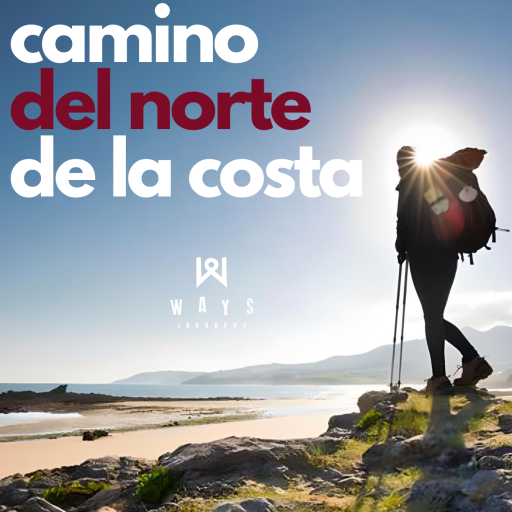
Castro Urdiales, July 5, 2025 – WAYS, the pioneering digital platform for regenerative tourism on the Camino de Santiago, officially presents the new Northern Coastal Way module within its WAYS Journeys app.
This launch represents a decisive step toward improving the pilgrim experience on one of the most spectacular and challenging routes of the Camino, while also boosting the local economy and cultural cohesion in the communities that travel it.
The project has had the strategic support of the Spanish Federation of Friends of the Camino de Santiago , as well as the active collaboration of the Association of Pilgrims for Cantabria and the Group of Associations of the Northern Routes , ensuring a shared vision and strong territorial roots.
WAYS had already demonstrated the potential of its application on the French Way, and is now scaling its technology to meet the specific needs of travelers on the Northern Coastal Way, integrating innovations such as:
- Advanced planning and navigation system with customizable routes, the ability to choose between alternatives and forks.
- Geolocalized and multilingual cultural content (Spanish, English, French, German, Portuguese, and Italian) to enrich the international traveler's experience.
- E-commerce platform for local products and experiences that connects pilgrims with producers and artisans from the Basque Country, Cantabria, Asturias, and Galicia.
- Blockchain-based Pilgrim Tokens , which are earned by walking and connecting with culture and communities and reward hospitality and sustainable practices.
- Crowdfunding of local projects , which allows pilgrims to directly support accessibility, heritage conservation, and living culture initiatives.
This launch also coincides with a symbolic year: the tenth anniversary of the declaration of the Northern Routes as a World Heritage Site by UNESCO , a milestone that reinforces the importance of preserving and revitalizing this historic and cultural route.
“The Northern Coastal Way is a cultural and natural gem that deserved a specific effort to digitize and promote it,” said María Parga , WAYS spokesperson. “With this module, we are not only making the route more accessible and contributing to its international promotion, but we are also demonstrating the scalability of WAYS to other Cultural Routes around the world.”
For his part, Valeriano Teja Oruña , president of the Northern Ways Associations Group , emphasized: “This new WAYS module helps us show the world the richness of our territories and ensure that pilgrims have an authentic, sustainable experience that is deeply connected to our communities.”
WAYS invites pilgrims, associations, and lovers of the Camino de Santiago to discover the new module by downloading the WAYS Journeys app and joining a conscious, inclusive, and regenerative tourism model.